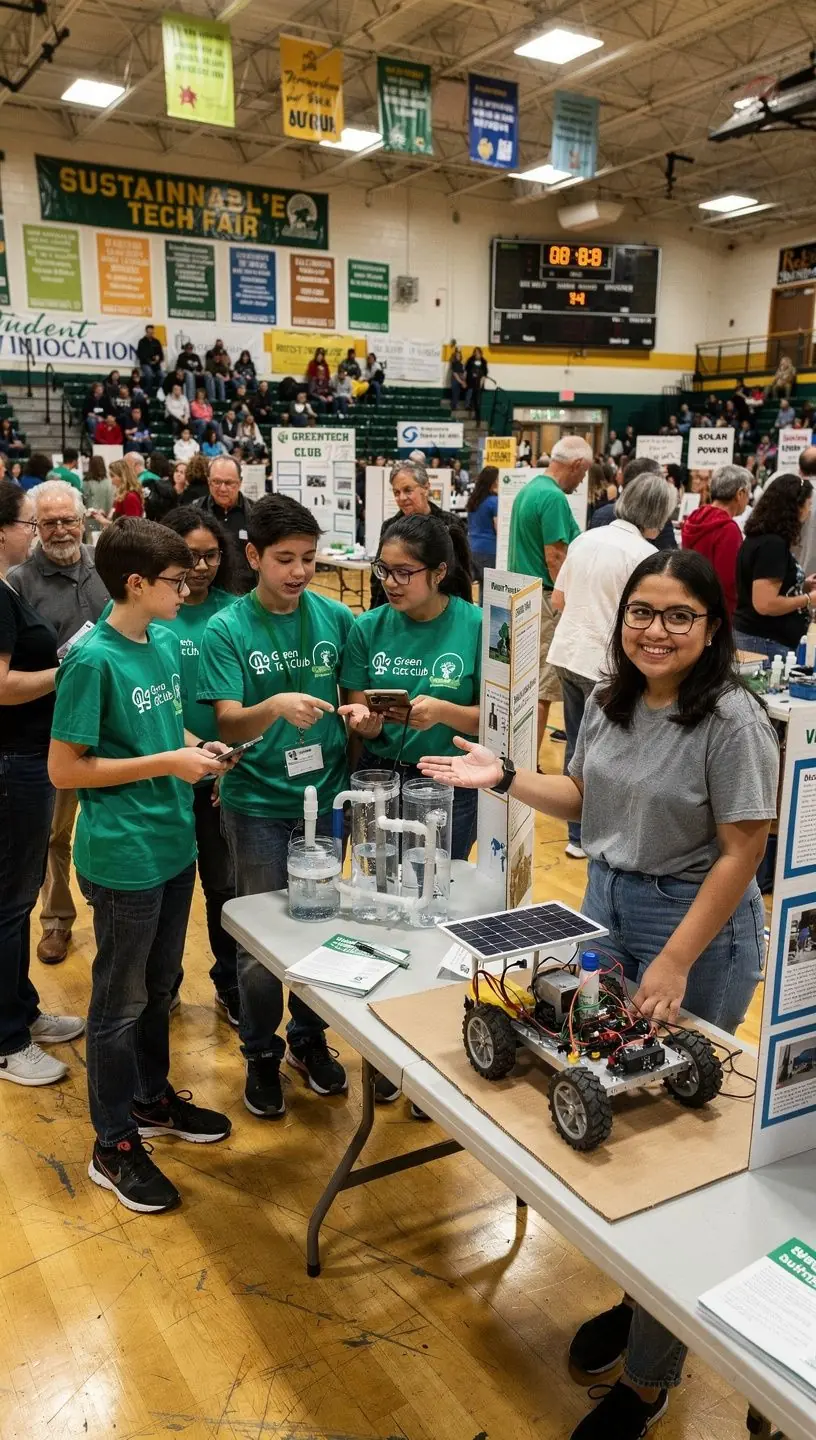
Integrating Mobile Apps for Neighborhood Engagement
In the era of digital connectivity, mobile applications are emerging as effective tools for enhancing community engagement. This article explores practical insights into how neighborhoods in Canada can integrate mobile apps to foster connectivity, participation, and innovation.
Understanding the Role of Mobile Apps
Mobile apps can effectively bridge the gap between community members, allowing for streamlined communication and collaborative efforts. According to research by the Pew Research Center, approximately 75% of adults in Canada own a smartphone, making mobile apps a viable channel for outreach and engagement.
"Mobile apps can serve as the backbone of community engagement, facilitating real-time communication and collaboration among residents."
Key Features to Consider
When implementing a mobile app for neighborhood engagement, consider the following features:
- Event Scheduling: Apps can allow residents to create, share, and participate in local events. Studies show that neighborhood events help build community cohesion and encourage participation.
- Discussion Forums: A platform for residents to discuss local issues can contribute to informed decision-making. Experts recommend facilitating constructive dialogue to foster a sense of belonging.
- Resource Sharing: Many users report that sharing local resources, such as tools or services, enhances community support and collaboration.
Best Practices for Implementation
Successfully integrating mobile apps into neighborhood engagement requires a thoughtful approach:
- Conduct Community Surveys: Before developing an app, gather input from community members. This typically takes about 2-4 weeks but ensures the app meets actual needs.
- Choose the Right Platform: Select a platform that is user-friendly. Many experts suggest starting with an existing app template to reduce development time and costs.
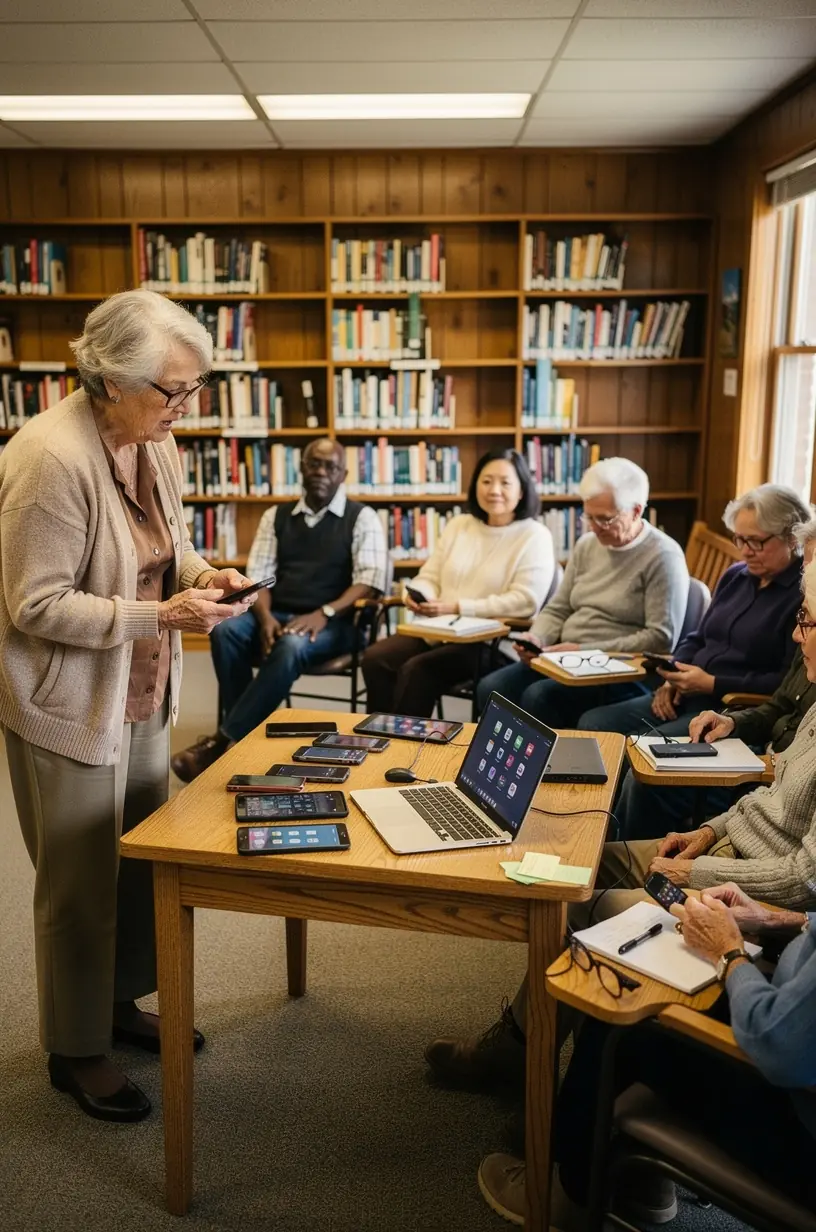
- Promote Adoption: Once the app is live, consider local workshops or informational sessions to encourage usage. Research indicates that hands-on demonstrations can increase user engagement.
Challenges and Considerations
While mobile apps can enhance engagement, it's important to acknowledge certain limitations:
- Implementing an app can involve a steep learning curve for both developers and users, typically requiring dedication over several weeks.
- Not all demographic groups may be equally tech-savvy, so consider supplementary methods of communication for those less comfortable with technology.
- Apps should be regularly updated to incorporate user feedback and address any technical issues that arise.
Conclusion
Integrating mobile apps into neighborhood engagement efforts can lead to improved communication, increased participation, and a stronger sense of community. By understanding the needs of residents and implementing best practices, communities in Canada can leverage technology to foster innovation and connection. As industry experts suggest, the key is to prioritize educational value while navigating the challenges that come with digital transformation.