Practical Guide to Local Solar Initiatives
As communities across Canada explore innovative ways to harness renewable energy, local solar initiatives are emerging as effective solutions. This guide provides practical insights into starting and participating in solar projects in your neighborhood.
Understanding Solar Energy Basics
Solar energy works by converting sunlight into electricity using photovoltaic (PV) cells. Experts suggest that solar panels can reduce energy costs and carbon footprints, making them a reliable choice for sustainable energy. The principle behind this technology is the photovoltaic effect, which enables solar cells to generate electricity when exposed to sunlight.

"According to a report by the Canadian Renewable Energy Association, solar energy installations in Canada have increased by over 30% annually in recent years."
Benefits of Local Solar Initiatives
Engaging in local solar initiatives can bring numerous benefits to your community, including:
- Cost savings: Residents often report lower electricity bills after installing solar panels.
- Energy independence: Solar energy can reduce reliance on fossil fuels and enhance local energy security.
- Environmental impact: Communities can reduce their carbon emissions significantly through collective solar projects.
Getting Started with Local Solar Initiatives
Implementing solar projects in your neighborhood typically involves several key steps:
- Assess community interest: Conduct surveys or community meetings to gauge interest in solar initiatives.
- Research funding options: Local governments and organizations often provide grants and incentives for solar installations. Investigate programs available in your area.
- Connect with local solar providers: Partner with reputable solar companies that can provide expertise and installation services. Industry experts recommend obtaining multiple quotes to ensure competitiveness and quality.
- Organize group purchases: Many neighborhoods find success by pooling resources for bulk purchasing of solar panels, which can lower costs.
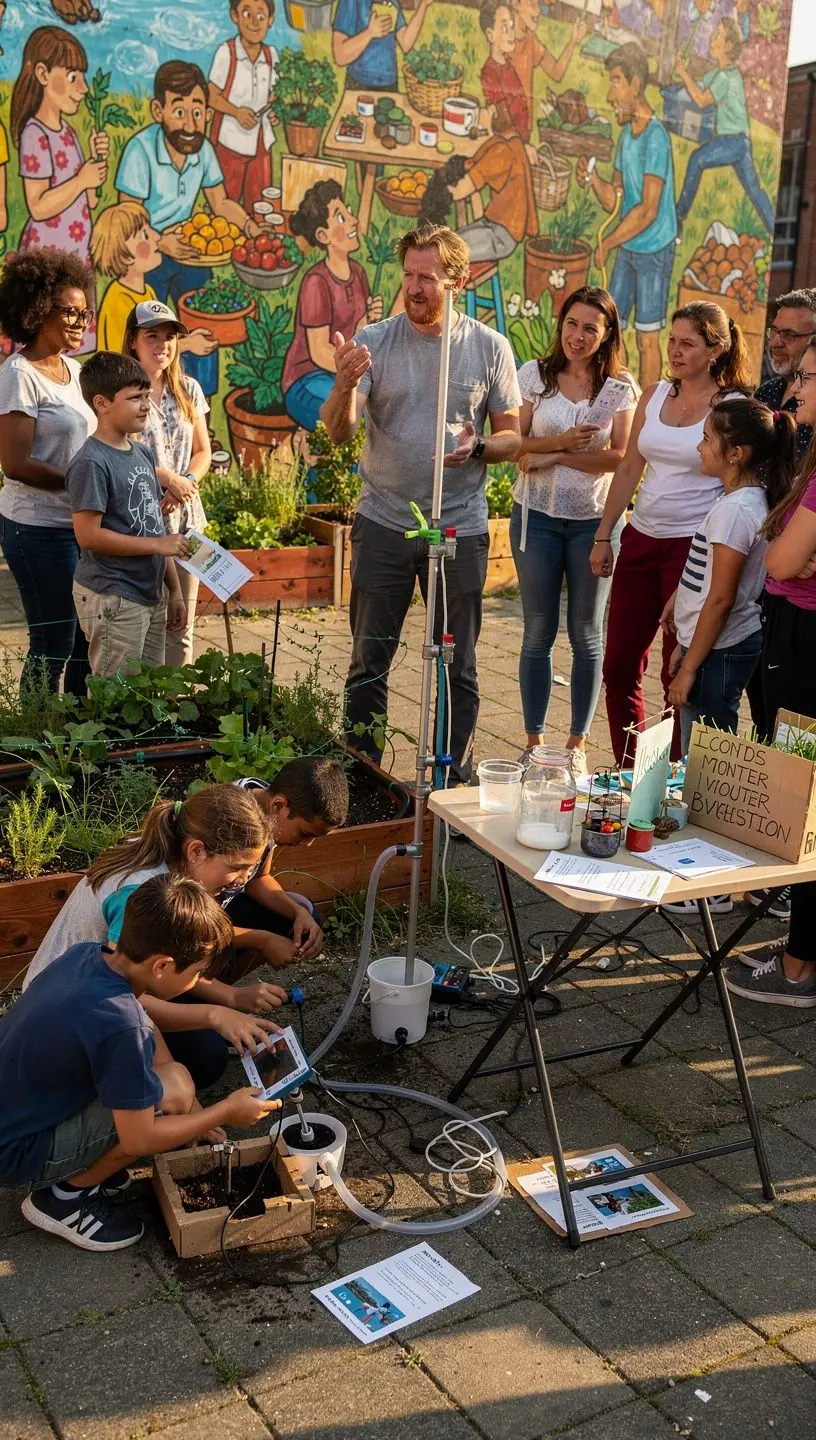
- Educate the community: Organize workshops or information sessions to educate residents about the benefits, installation process, and maintenance of solar energy systems.
Acknowledging Challenges
While local solar initiatives can be beneficial, it’s important to acknowledge certain challenges:
- Initial investment: Solar systems require upfront costs, although many financing options and incentives are available.
- Time commitment: Organizing a community initiative typically takes several months of planning and engagement.
- Technical knowledge: Residents may need to familiarize themselves with solar technology and regulations, which can involve a learning curve.
Conclusion
Local solar initiatives represent a promising opportunity for communities in Canada to embrace renewable energy. By understanding the basics of solar energy, outlining practical steps for implementation, and acknowledging potential challenges, residents can work together towards a more sustainable future. As the push for cleaner energy grows, participating in local solar projects can result in significant benefits for both individuals and the community as a whole.